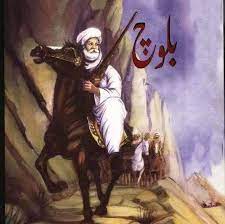
Horse Ridding
Balochi dresses are a reflection of the rich cultural heritage and exquisite craftsmanship of the Baloch people. Traditional Balochi attire for men includes the distinctive "Shalwar Kameez," comprising loose-fitting trousers paired with a long tunic-like shirt. The kameez is often adorned with intricate embroidery, mirror work, and embellishments, showcasing the artistic skills and cultural motifs unique to the Balochi community. Women's clothing typically consists of the "Gharaara," a flowing skirt with pleats, paired with a matching blouse and adorned with vibrant colors and delicate embroidery. The traditional "Chadar," a long scarf draped over the head or shoulders, completes the ensemble, adding elegance and grace to the attire. Balochi dresses not only serve as a form of cultural expression but also signify pride, identity, and solidarity within the Baloch community. Each garment is a testament to the region's rich history, traditions, and values, passed down through generations with reverence and respect. Balochi Wedding: Balochi weddings are elaborate and joyous affairs that celebrate the union of two families and the beginning of a new chapter in the lives of the bride and groom. The wedding festivities typically last for several days and are marked by rituals, ceremonies, feasting, and traditional music and dance. One of the highlights of a Balochi wedding is the "Mehfil-e-Milad," where the bride and groom exchange vows in the presence of family and friends, while blessings are invoked upon them by reciting verses from the Quran. This is followed by lavish feasts featuring traditional Balochi dishes like "Sajji," "Balochi Pulao," and "Kaak." The wedding procession, known as the "Barat," is a colorful spectacle where the groom, adorned in traditional Balochi attire, arrives at the bride's house accompanied by relatives and friends amidst singing, dancing, and jubilation. The bride, resplendent in her bridal finery, is welcomed with great pomp and ceremony. Balochi weddings are not just social events but also a reflection of the region's cultural richness, hospitality, and traditions. They bring communities together, strengthen familial bonds, and create lasting memories for all involved.