Beneath its surface, treasures untold
Balochistan Culture
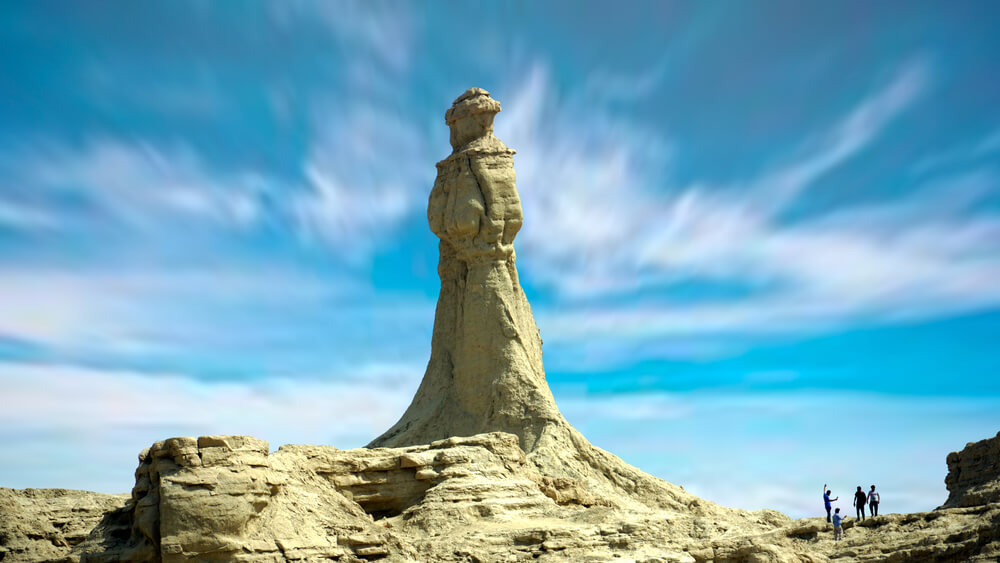
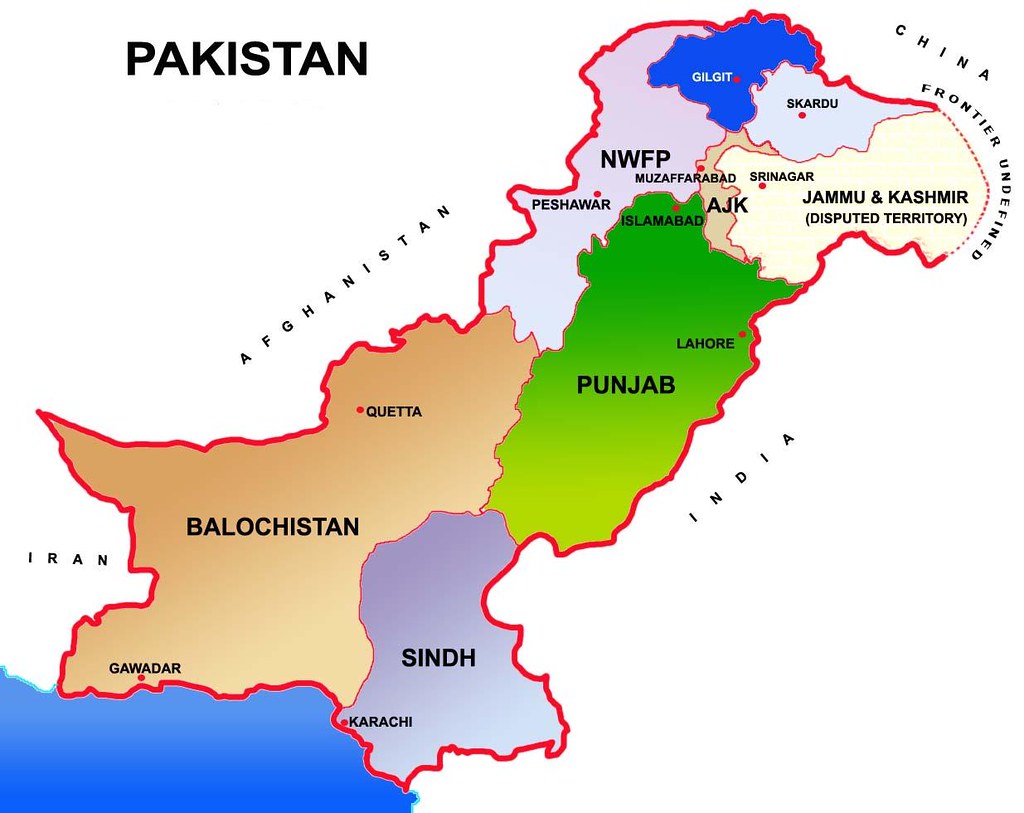
Balochistan, the largest province of Pakistan by land area, is a region of breathtaking landscapes, diverse cultures, and rich history. Situated in the southwestern part of the country, Balochistan is characterized by its vast deserts, rugged mountains, and stunning coastal areas along the Arabian Sea. The province is home to a mix of ethnic groups, with the Baloch people being the largest ethnic community. Other significant groups include Pashtuns, Brahuis, and Hazaras, each contributing to the cultural mosaic of Balochistan. Despite its ethnic diversity, Balochistan has struggled with socio-economic challenges, including poverty, lack of infrastructure, and political unrest. Balochistan's history is marked by ancient civilizations, including the Indus Valley Civilization and the Persian Empire, which left their imprints on the region's culture and architecture. The province also served as a vital part of the ancient Silk Road, facilitating trade and cultural exchange between South Asia, Central Asia, and the Middle East. The economy of Balochistan relies heavily on natural resources, including natural gas, coal, and minerals such as copper and gold. However, the province faces challenges in harnessing these resources for sustainable development while addressing the concerns of local communities regarding environmental degradation and equitable distribution of benefits. Despite its challenges, Balochistan holds immense potential for tourism, with its stunning landscapes, historical sites such as the UNESCO-listed Makran Coastal Range, and vibrant cultural heritage attracting adventurous travelers and historians alike. Efforts to address development issues and promote peace and stability in the region are crucial for unlocking Balochistan's full potential and improving the quality of life for its residents.
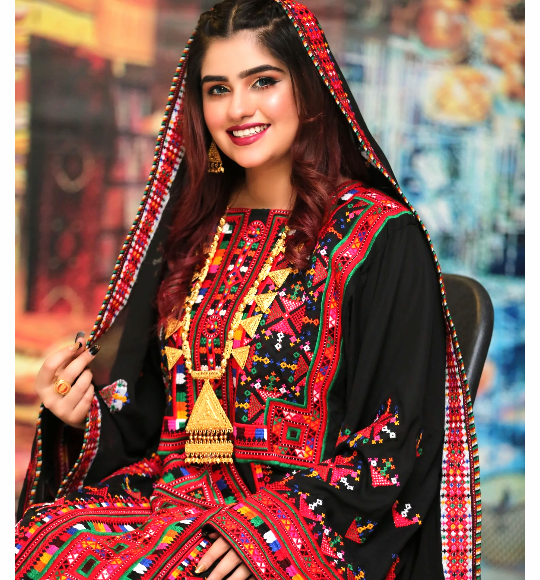
Balochi Dresses
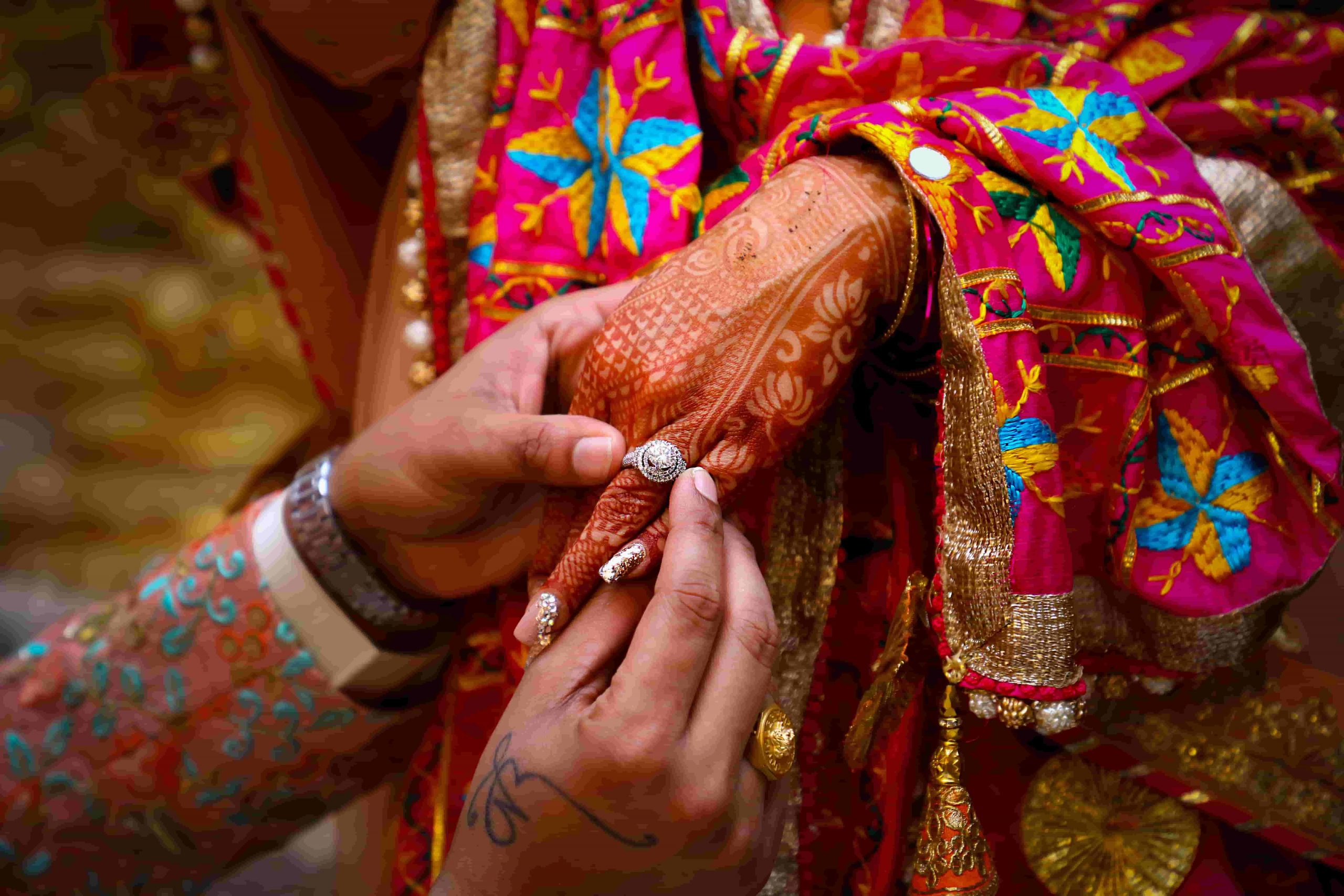
Balochi Wedding
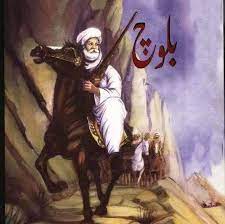
Horse Riding
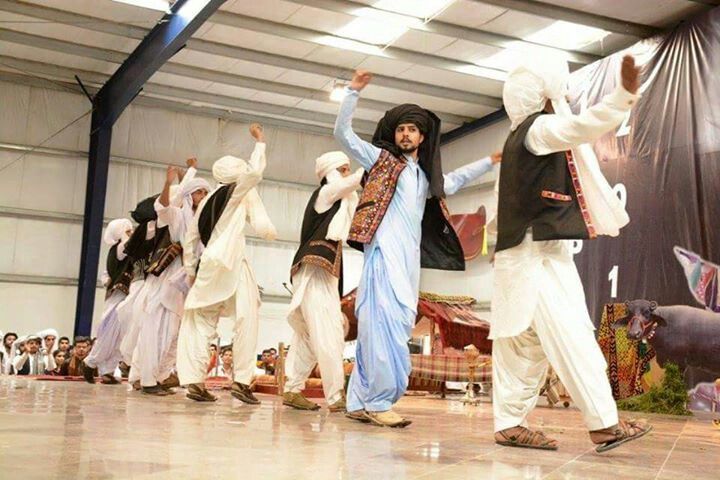
Balochi Chaap
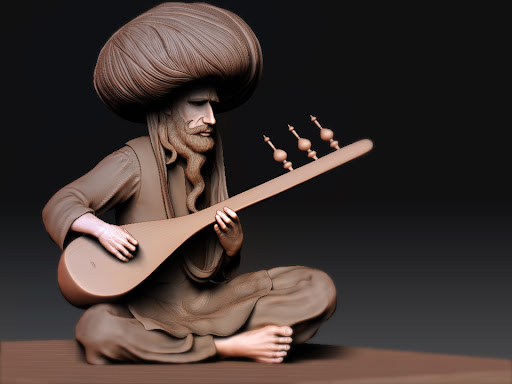
Balochi Folk
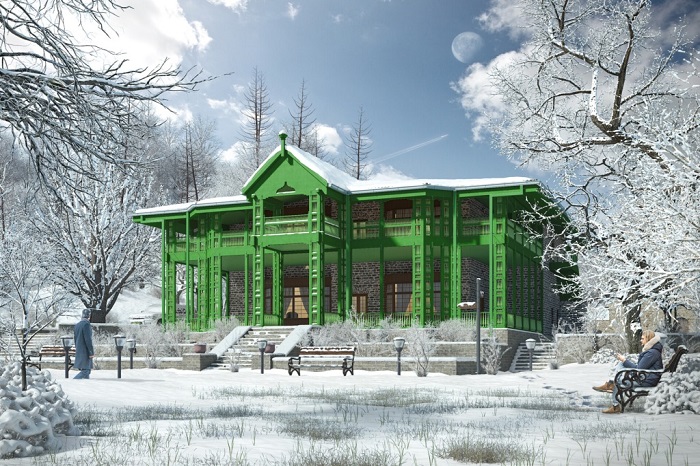
Ziyarat
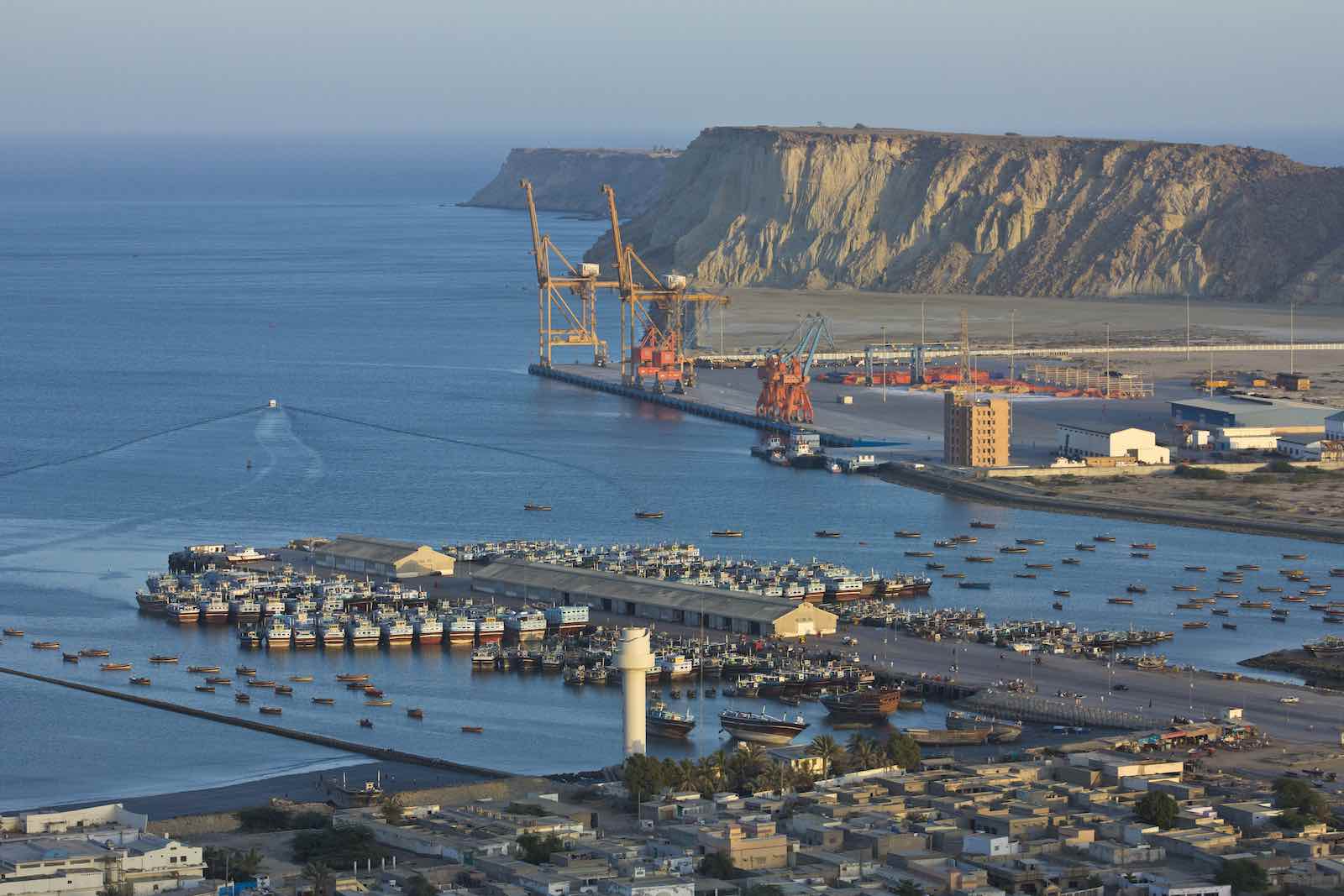
Gawadar port
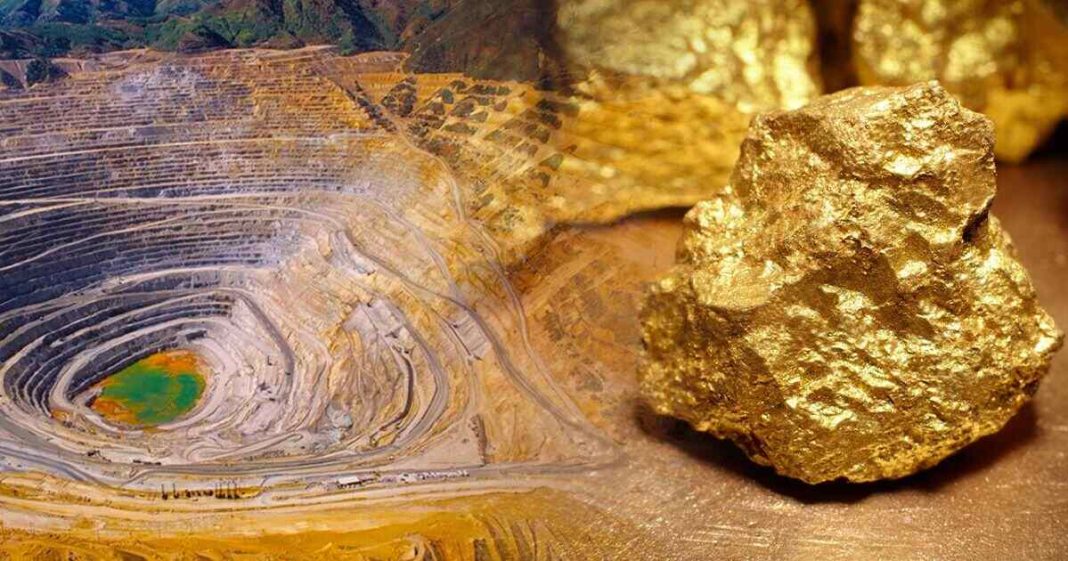
Gold & Recodiq
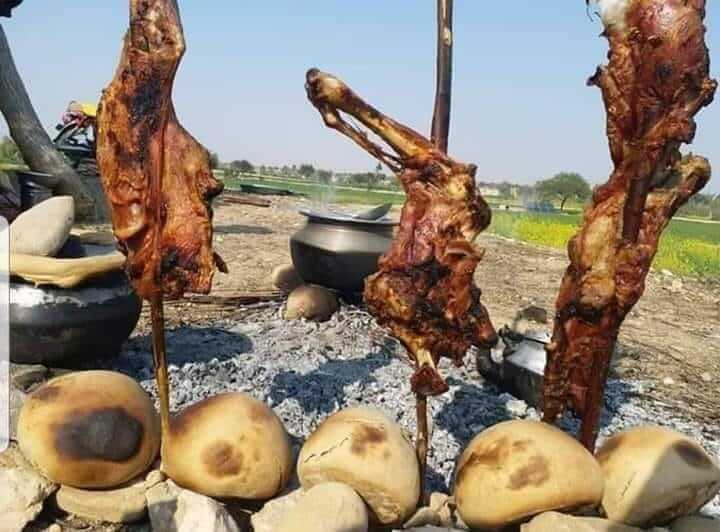
Balochi Saaji
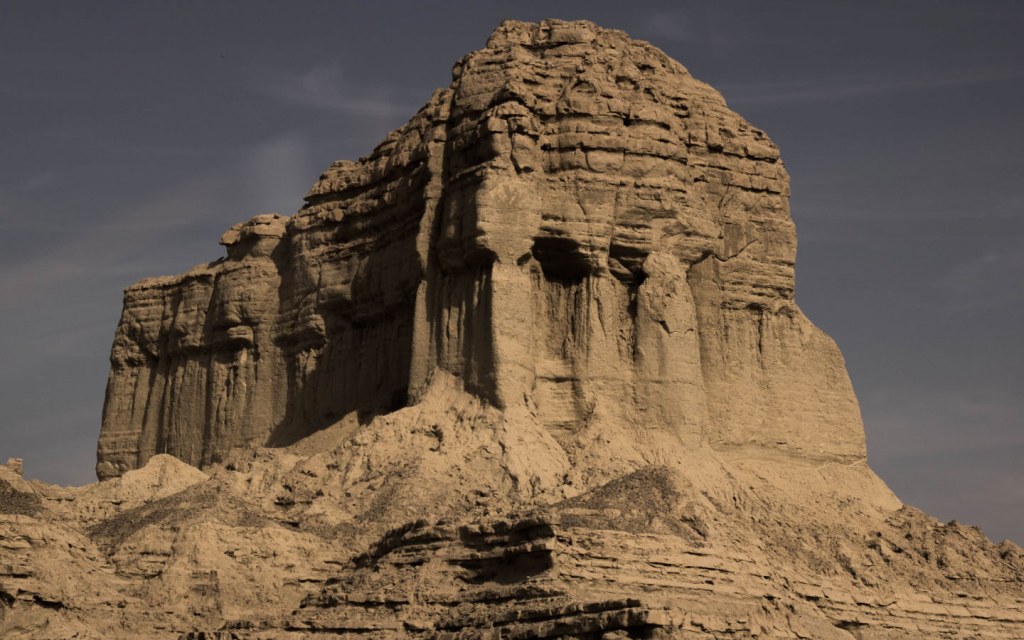
Hingol National Park
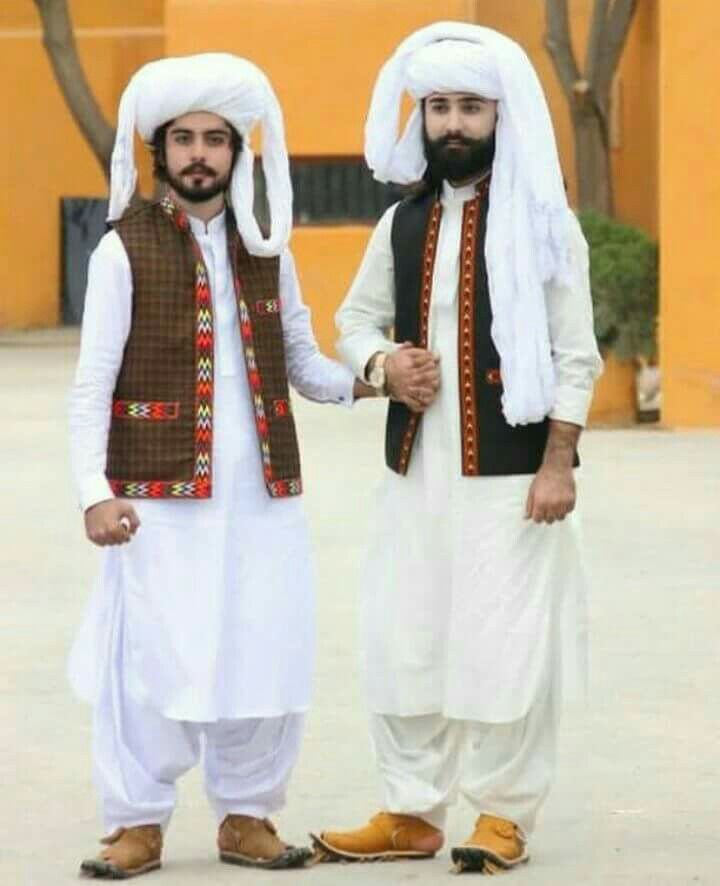
Balochi Men Dresses
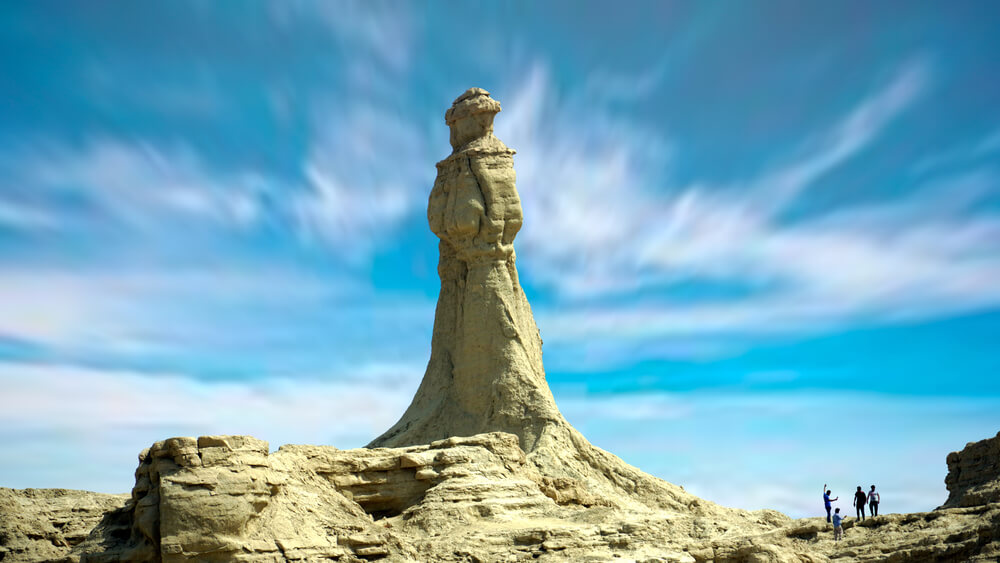
Prince of Hope